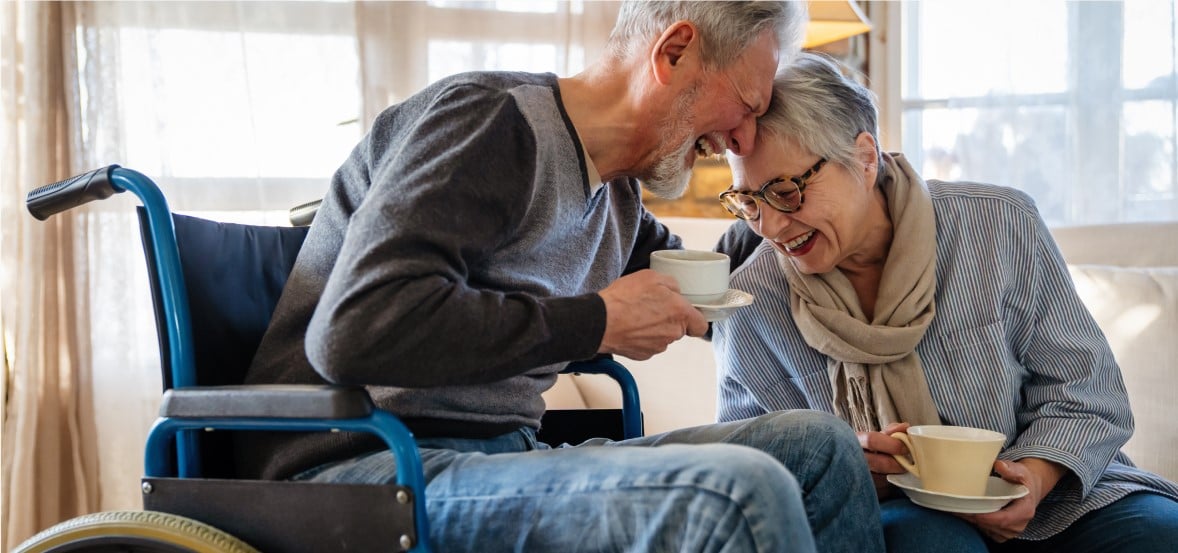
Hi, I’m Jeff Harness—founder of Harness Mobility and longtime advocate for aging-in-place solutions. As someone who has worked closely with caregivers and families across Michigan, I’ve seen the strength and compassion it takes to care for a loved one. But I’ve also seen the toll it can take.
Whether you’re helping an aging parent, a spouse with mobility challenges, or a friend recovering from surgery, you shouldn’t have to do it alone. This guide is meant to point you toward trusted resources, practical home modifications, and safety tools that make caregiving more manageable—and help preserve the dignity and independence of those you care for most.
Caring for the Caregiver: Top Support Resources You Should Know About
Caring for a loved one, whether aging, disabled, or recovering from an injury, can be deeply rewarding, but also physically and emotionally taxing. Caregivers often juggle multiple responsibilities while navigating complex healthcare and home safety decisions. That’s why accessing the right resources is crucial.
Top Support Resources for Caregivers:
- • Respite Care: Temporary care that gives caregivers a much-needed break. Check with your local Area Agency on Aging for availability.
- • Caregiver Support Programs: Many states offer support through training, financial assistance, and peer support networks.
- • Mental Health Services: Don’t neglect your own wellbeing—caregiver burnout is real. Seek therapy, support groups, or online communities.
- • Caregiver Action Network (CAN): Offers tools, peer support, and tips for navigating caregiving roles. caregiveraction.org
- • Family Caregiver Alliance: A national nonprofit offering fact sheets, legal and financial guidance, and condition-specific support. caregiver.org
- • Local Detroit Resource: Area Agency on Aging 1-B offers caregiver workshops, respite care options, and education for families across Southeast Michigan. aaa1b.org
Simple Home Modifications to Support Independent Living
Mobility changes shouldn’t mean losing your independence. With the right modifications, your home will support aging in place comfortably and enhance quality of life.
Top Modifications to Boost Safety and Independence:
- • Ramps & Lifts: ADA-compliant ramps, stair lifts, and platform lifts help eliminate barriers.
- • Bathroom Upgrades: Install grab bars, walk-in tubs, and non-slip flooring to prevent falls.
- • Kitchen Accessibility: Lower countertops, install pull-out shelves, and use D-shaped cabinet handles for ease of access.
- • Smart Technology: Use voice-activated lighting, thermostats, and fall detection systems.
- • Emergency Systems: Personal Emergency Response Systems (PERS) provide peace of mind with 24/7 emergency assistance.
Source: National Institute on Aging - nia.nih.gov
ADA Compliance at Home: Dignity Through Design
The Americans with Disabilities Act (ADA) ensures that everyone, regardless of ability, has access to safe and navigable spaces. Though primarily enforced in public places, ADA guidelines are an excellent standard to follow in the home, especially for individuals aging in place or living with a disability.
ADA Ramp Requirements:
- • Slope: 1:12 slope (every inch of rise needs 12 inches of ramp).
- • Width: Minimum of 36 inches.
- • Landings: Flat landing at the top and bottom.
- • Handrails: Required if rise is greater than 6 inches.
Why It Matters:
- • Increases safety.
- • Enhances accessibility.
- • Supports independent living.
- • Prevents injuries for users and caregivers.
Source: U.S. Access Board - access-board.gov
Falls Are Preventable: Make Your Home Safer Today
Did you know that falls are the leading cause of injury among older adults? Many of these accidents happen at home, and many are preventable.
Steps to Prevent Falls:
- • Improve Lighting: Use brighter bulbs, especially in hallways and stairwells.
- • Secure Rugs: Tape down or remove area rugs to reduce tripping hazards.
- • Install Grab Bars: In bathrooms, stairways, and entryways.
- • Use Mobility Aids: Canes, walkers, or scooters can support stability.
- • Rearrange Furniture: Keep walking paths clear and clutter-free.
Ramp Safety Tip: Make sure your ramp has a non-slip surface and meets ADA slope guidelines to reduce risks in rain or snow.
Educational Brochure: - STEADI-Brochure-WhatYouCanDo-508.pdf
Source: CDC - cdc.gov
Moving Forward
At Harness Mobility, we believe caregiving is a calling—but no one should be expected to shoulder it without support. From simple home modifications to state and national resources, there are tools out there to help you breathe a little easier and keep your loved ones safe at home.
If you ever have questions about making your home more accessible or would like a free mobility assessment, we’re here to help—just like we’ve helped hundreds of families across Southeast Michigan.
Thank you for all that you do.
Warmly,
Jeff Harness
Founder, Harness Mobility